

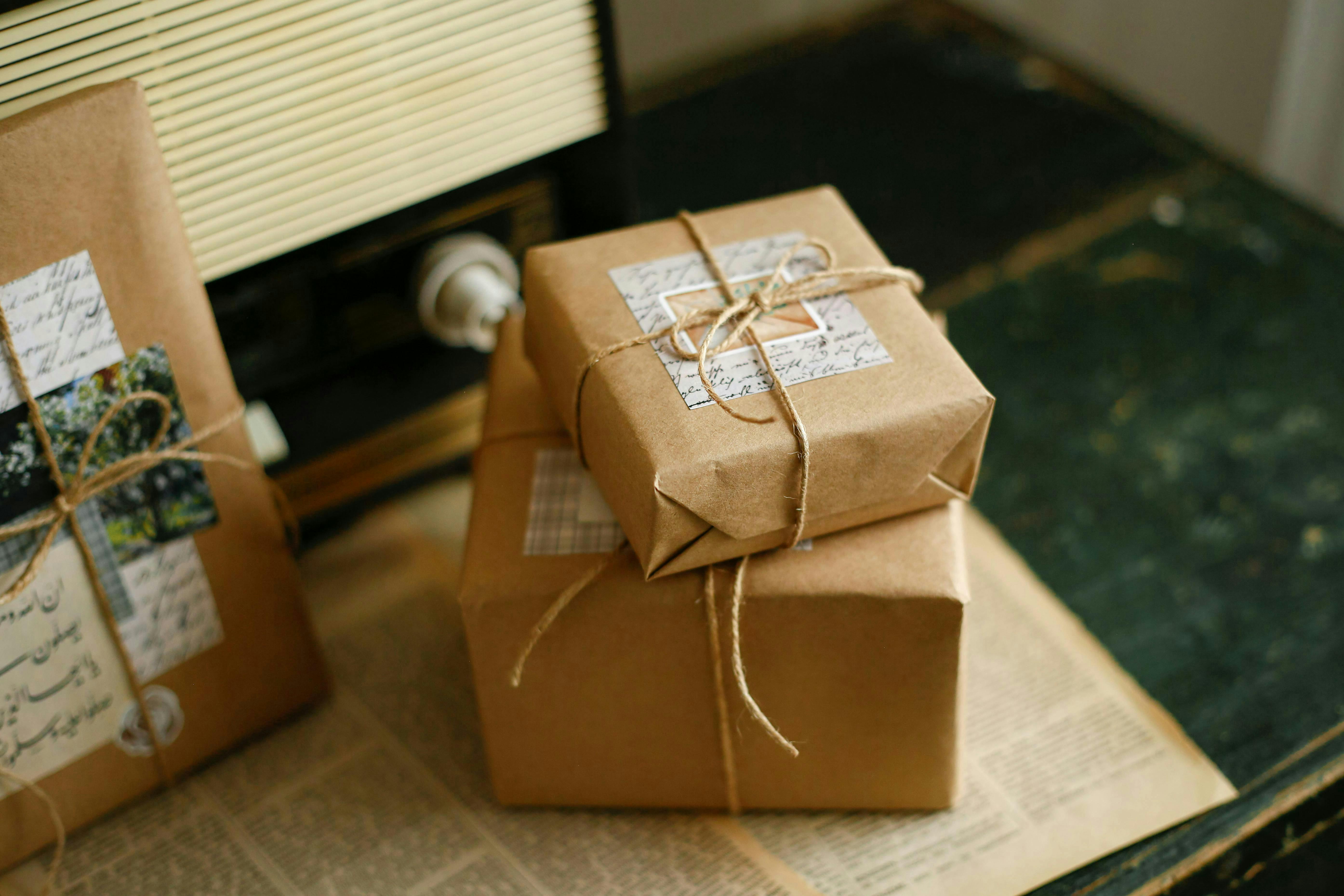
If you’re looking for additional ways to help your business stand out, direct mail (or lumpy mail) is a great place to start. It’s tangible, memorable, and helps build stronger relationships with both customers and prospects. If you’re unsure exactly how to get started, this 6-step guide shows you how to plan, deliver, and scale a successful analog marketing campaign.
Step 1: Define Objectives
Define the purpose of the campaign from the outset; booking sales meetings, promoting a new product or service to existing customers, re-engaging old clients.
Understand the campaign structure. Direct mail can be incredibly effective on its own, or when used in conjunction with other marketing channels.
Outline the purpose, expected outcome, and success criteria. This ensures every part of the campaign, message, and design supports the same goal.
Step 2: Lead Sourcing
Your results depend on the quality of your data. If you’re sending something to an office in London and your contact is based in Glasgow, you’ll be wasting a postage stamp.
Here’s what to look for:
- Contact location and company office locations are aligned
- Company address is valid (many small businesses use virtual office addresses)
- Contact information is cross-referenced and up to date
Take your time to fully validate the contact details and company addresses to avoid the dreaded return to sender.
Step 3: Design your Campaign
Now for the fun part! Decide on how exactly you’re going to grab their attention.
Here’s what to consider:
- The bolder the better: Be creative to come up with something that makes them stop, look and remember you
- Make it relevant: Align your messaging and visuals to your core offering so people can immediately understand what it’s about
- Be creative with your copy: Show some personality with your messaging. The more creative it is, the more likely they are to remember
Always make sure to include a handwritten note. It adds the human touch and lets your prospect know the message was written specifically for them and not copied from a template.
Step 4: Send & Track
Plan your send and tracking strategy with the same precision as your creative concept so every mailer lands at the right time and every interaction is captured:
- Use tracked postage to see exactly when each item is delivered
- Add QR codes to measure real time engagement
- Integrate your responses into your campaign tracking tool to see a complete overview of delivery data, engagements, responses and outcomes in one place
Campaign management and tracking will help turn your creative campaign into measurable marketing assets.
Step 5: Follow Up
Like any good marketing sequence, following up is essential to maximise your results. Schedule a follow up call or email within a few days of delivery, they will likely have seen your mailer and you’ll be fresh in their mind.
Keep your follow up short and concise. If they’ve already seen your message, your aim is to open the door that starts a conversation.
Step 6: Review & Refine
Once the campaign ends, review what worked and what didn’t. Here’s what you should be tracking:
- Delivery rates
- Response rates (before and after follow ups)
- Response rates by company and persona type
- Meetings booked
- Cost per lead & cost per meeting
After identifying what resonates with your audience, you can refine your campaigns and scale with a winning formula.
Final Thoughts
Direct mail works because it feels human. When backed by good data, strong creative, and consistent follow-up, it becomes one of the most effective tools for starting real business conversations.
Looking for inspiration on where to get started with direct mail? From postcards to pigeons to aliens, we’ve sent it all. Get in touch if you want some ideas for your next campaign.


READY TO CREATE UNFORGETTABLE CAMPAIGNS?
Book a free 30-minute strategy session and discover how analog marketing can transform your outreach.